Water Heater Leaking From Bottom: What to Do in Santa Rosa (June 2026)
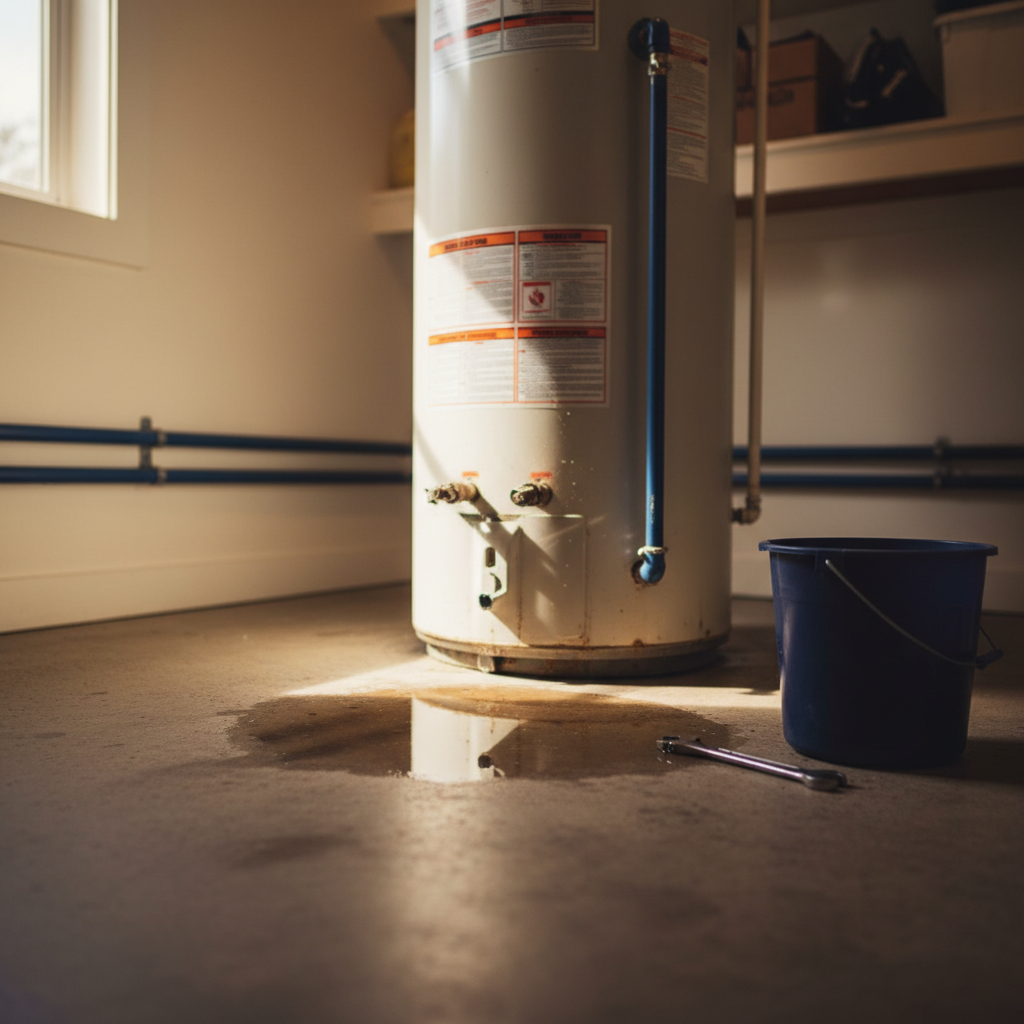
If your water heater is leaking from the bottom, quickly shut off the water supply and power to the unit to prevent further damage. Then, contact a local plumbing professional to diagnose and address the issue, as this often indicates a serious problem.
Water Heater Leaking From the Bottom: Immediate Steps for Santa Rosa Homeowners (June 2026)
Finding water pooling around the base of your water heater can be an alarming sight for any homeowner in Santa Rosa. A water heater leaking from the bottom isn't just a minor annoyance; it often signals a significant problem that could lead to extensive water damage if not addressed quickly. This month, June 2026, we'll walk you through the essential steps to take immediately, what might be causing the leak, and how to get the professional help you need.
Why is My Water Heater Leaking From the Bottom?
Understanding the potential culprits behind a leak can help you communicate effectively with a plumbing professional. While some leaks might be minor, a leak from the bottom of the tank usually indicates a more severe issue. Here are the common reasons:
- Corroded Tank: Over time, the inner lining of your water heater's tank can corrode due to sediment buildup and general wear and tear, especially in older units. Once the tank itself rusts through, it's irreparable, and continuous water heater leaking from the bottom will occur.
- Pressure Relief Valve (T&P Valve) Issues: The temperature and pressure relief valve (T&P valve) is a safety device designed to open if the pressure or temperature inside the tank gets too high. If this valve is faulty, stuck open, or if the water pressure in your Santa Rosa home is consistently too high, it might release water. However, if the leak appears to be coming from the bottom of the tank rather than from the valve's discharge pipe, the T&P valve might not be the primary source, although it's worth checking if its discharge pipe is dripping.
- Drain Valve Issues: The drain valve, located near the bottom of the tank, is used to flush out sediment. If this valve is loose, damaged, or has corroded seals, it can be a source of persistent leaks. This is often a more manageable fix than a corroded tank.
- Loose Connections or Fittings: While less common for direct bottom leaks, sometimes a loose inlet or outlet pipe connection near the bottom or a poorly sealed heating element gasket (on electric models) can appear to be leaking from the bottom. Water can travel down the exterior of the tank and pool at the base.
- Sediment Buildup: Extensive sediment at the bottom of the tank can harden, causing stress on the tank's lining and potentially leading to cracks or pinholes. This is more prevalent in areas with hard water, like parts of Sonoma County.
Your Immediate Action Plan When a Water Heater Leaks
A leak from the bottom of your water heater requires quick action to minimize potential damage to your property. Whether you're in a historic Victorian in Santa Rosa's St. Rose district or a newer home in Windsor, these steps are crucial:
- Shut Off the Water Supply: This is the most critical first step. Locate the cold water inlet valve at the top of your water heater (usually a blue handle or knob) and turn it clockwise until it's completely off. If you can't find it or it's stuck, turn off your home's main water supply valve, typically located near your water meter or where the main line enters your house.
- Turn Off the Power Source:
- For Electric Water Heaters: Go to your home's electrical panel (often in the garage, utility closet, or basement) and locate the breaker labeled "Water Heater" (or similar). Flip it to the "Off" position. You might need to turn off the main breaker if individual labels aren't clear.
- For Gas Water Heaters: Locate the gas control knob on the unit itself. Turn it to the "Off" position. There should also be a gas shut-off valve on the gas line leading to the water heater; turn this perpendicular to the pipe to ensure gas flow is completely stopped.
- Drain the Tank (If Safe and Practical): If the leak is severe and you're comfortable, you can connect a garden hose to the drain valve at the bottom of the water heater and run the other end to a floor drain or outside. Open the drain valve and a hot water faucet inside the house (to prevent a vacuum) to help the tank empty. Be aware that the water will be hot. For most, especially with a severe bottom leak, draining might not be advisable as it could exacerbate the situation or be too late to prevent significant water on the floor. Focus on stopping the supply and power first.
- Contain the Water: Use towels, buckets, or even a wet/dry vacuum to soak up as much water as possible. This helps prevent damage to flooring, walls, and personal belongings. If the water heater is in a closet or utility area, check for moisture in adjacent spaces.
- Assess the Damage: Once the immediate leak is contained, take a closer look. Is the water coming from a fitting, the drain valve, or does it appear to be weeping directly from the tank itself? This information will be helpful when you speak with a professional. Note the age of your water heater; tanks older than 10-12 years are more prone to internal corrosion.
When to Call for Professional Help in Sonoma County
A water heater leaking from the bottom is almost always a job for a qualified plumbing professional. Attempting a DIY repair on a tank leak can be dangerous and lead to further damage or safety hazards, especially with gas units. For situations like this, especially when it's an unexpected and potentially urgent issue, you might need to speak with an independent local plumbing provider who offers Emergency Plumbing services.
What a Plumbing Professional Will Do:
When you request assistance, an independent plumbing provider in the Santa Rosa area will typically:
- Diagnose the Exact Source: Using their expertise and tools, they'll pinpoint whether the leak is from the tank, a valve, or a connection.
- Advise on Repair vs. Replacement: If the leak is from a faulty drain valve or a loose connection, a repair might be possible. However, if the inner tank itself is compromised, replacement is almost always the recommended solution. Given the age of many homes in areas like Bennett Valley or Coffey Park, an older, corroded tank is a common finding.
- Discuss Options: If replacement is necessary, they can provide options for a new unit, including conventional tank-style heaters and potentially more energy-efficient Tankless Water Heater systems that might be a good fit for your home.
- Ensure Proper Installation: Proper installation is key to the longevity and safe operation of any water heater. This includes ensuring correct venting for gas units and appropriate electrical connections for electric models, all to local Santa Rosa building codes.
Preventing Future Water Heater Leaks
While some leaks are unavoidable due to age, regular maintenance can significantly extend the life of your water heater and help prevent premature failures:
- Annual Flushing: Draining and flushing your water heater annually helps remove sediment buildup that can corrode the tank from the inside out and reduce efficiency. This is particularly important with the mineral content in some parts of Sonoma County's water supply.
- Inspect the T&P Valve: Test the T&P valve once a year by gently lifting the handle. If it doesn't snap back or water doesn't come out, it might be faulty and should be replaced by a professional.
- Regular Inspections: Periodically check around your water heater for any signs of rust, corrosion, or minor drips. Early detection can prevent a catastrophic leak.
- Consider a Water Heater Pan: If your water heater is located in an area where a leak could cause significant damage (e.g., in an upstairs closet), installing a water heater pan with a drain line can provide an extra layer of protection.
- Know Your Water Heater's Age: If your unit is approaching or exceeding 10-12 years old, it's wise to start thinking about budgeting for a Water Heater Replacement before an emergency forces your hand.
Get Connected with a Local Santa Rosa Plumbing Provider
A water heater leaking from the bottom is a serious issue that demands attention. Don't delay in addressing it. By taking the immediate steps outlined above and then requesting professional assistance, you can mitigate damage and restore hot water to your Santa Rosa home efficiently. If you're currently facing a water heater leak in Santa Rosa, Rohnert Park, or anywhere in Sonoma County, you can get connected with an independent local plumbing provider who can help. Call us at (707) 361-9499 or submit a request through our website to find a qualified professional ready to assist you.
Frequently asked questions
What should I do first if my water heater is leaking from the bottom?
Immediately shut off both the water supply to the water heater and its power source (gas or electricity). This will stop the leak from worsening and prevent potential electrical or gas hazards. Then, try to contain the water with towels or buckets.
Does a leak from the bottom of a water heater always mean it needs to be replaced?
Not always, but it often does. If the leak is coming directly from a corroded inner tank, replacement is necessary. However, if the leak is from a loose drain valve, a faulty T&P valve, or a connection, a repair might be possible. A professional plumber will diagnose the exact source.
How can I prevent my water heater from leaking in the future?
Regular maintenance is key. This includes annually flushing your water heater to remove sediment, periodically checking the T&P valve, and inspecting the unit for any early signs of rust or drips. Considering a water heater pan can also offer protection against future leaks.
How long do water heaters typically last in Santa Rosa?
Most conventional tank-style water heaters have a lifespan of about 8 to 12 years. Factors like water quality in Sonoma County, maintenance frequency, and usage can influence how long your specific unit lasts. If your water heater is nearing or past this age, a leak from the bottom often signals the end of its functional life.
Editorial Team
The Plumbers Santa Rosa editorial team writes practical, locally focused plumbing guides for homeowners and property managers across Sonoma County.
Need a Plumber in Santa Rosa?
Skip the search. Call or request help to get connected with a local plumbing provider.