Sewer Line Root Intrusion in Santa Rosa: What it is & How to Fix It
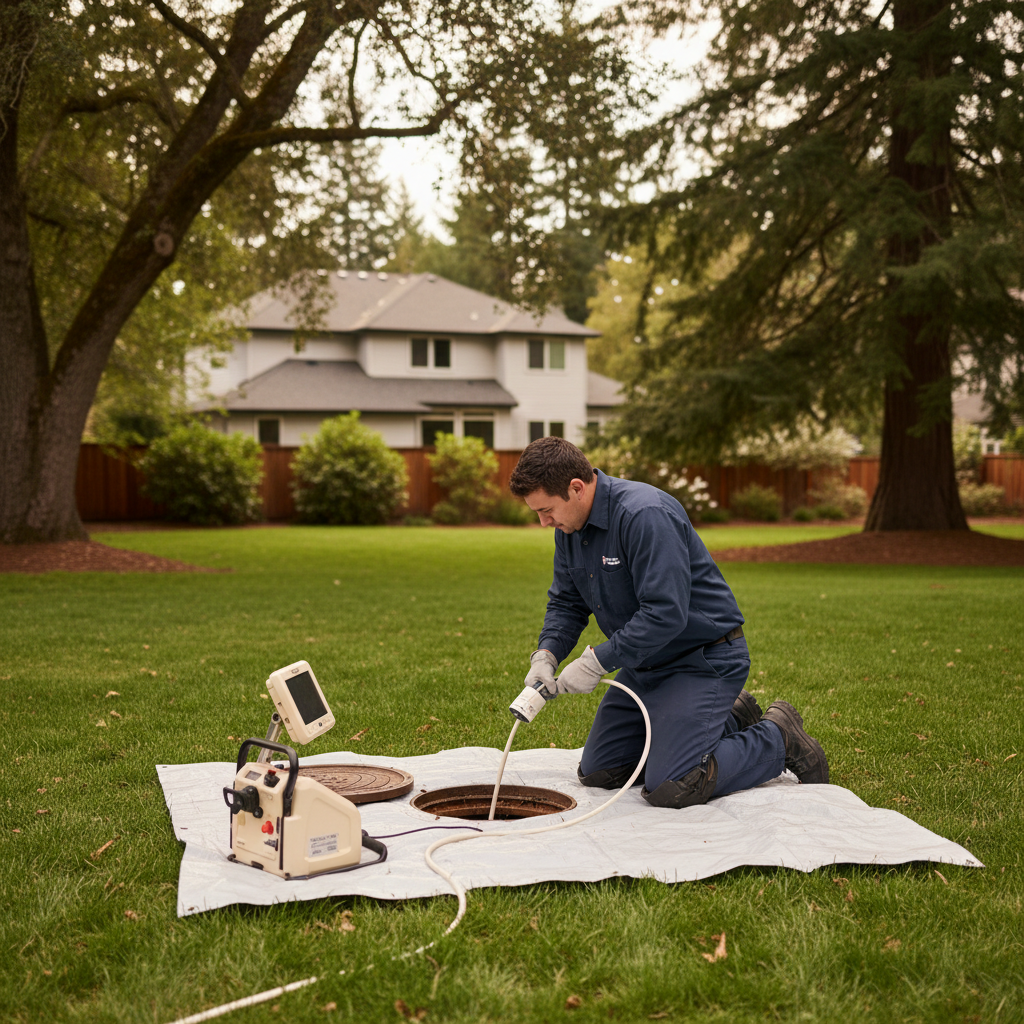
Sewer line root intrusion occurs when tree roots grow into and obstruct your home's sewer pipes, often leading to slow drains and backups. Addressing it typically requires professional assessment and methods like hydro-jetting or sewer line repair to remove roots and prevent future issues.
What is Sewer Line Root Intrusion and How to Fix It in Santa Rosa, CA
As homeowners in Santa Rosa and across Sonoma County, from the older neighborhoods of Proctor Terrace to the newer developments in Windsor, we often appreciate the mature trees that provide shade and beauty. However, beneath the surface, those very trees can pose a significant threat to our plumbing systems: sewer line root intrusion. In August 2026, as the dry season continues and trees seek moisture, this issue can become particularly prevalent.
Understanding what sewer line root intrusion is, how to spot the signs, and the steps to take for a lasting fix is crucial for maintaining a healthy home plumbing system. This guide will walk you through the common causes and solutions for this persistent problem.
Understanding Sewer Line Root Intrusion
Sewer line root intrusion happens when tree roots grow into and ultimately obstruct your home's sewer pipes. These roots are naturally drawn to the water and nutrients found within sewer lines, especially during drier periods like those we often experience in Santa Rosa. Even a tiny crack or a slightly loose joint in a pipe can be an invitation for a root to enter.
Once inside, roots continue to grow, forming dense masses that can catch debris, toilet paper, and waste. This buildup severely restricts wastewater flow, eventually leading to blockages, slow drains, and even sewage backups into your home. The type of pipe material also plays a role; older clay or cast iron pipes with bell-and-spigot joints are often more susceptible than modern PVC pipes with their tighter seals.
Why are Roots Attracted to Sewer Lines?
It's a matter of survival for trees. Here's why your sewer line is so appealing to roots:
- Moisture Source: Sewer pipes contain a constant supply of water, which is a prime attractant for thirsty roots, especially during prolonged dry spells.
- Nutrient-Rich Environment: Wastewater carries nutrients that roots can absorb, providing a growth stimulant.
- Consistent Temperature: Underground pipes offer a relatively stable temperature environment, which can be favorable for root growth.
- Oxygen: While roots need water, they also seek oxygen, and the small leaks and cracks in pipes can allow for both.
Given the abundance of beautiful trees throughout Santa Rosa, from the majestic oaks in Spring Lake Park to the street trees lining historic districts, it's easy to see why root intrusion is a common plumbing problem in our area.
Recognizing the Signs of Root Intrusion
Catching root intrusion early can save you from more extensive and costly repairs down the line. Here are the key indicators to watch for:
- Slow Drains: If multiple drains in your home (sinks, tubs, toilets) are draining slowly, it could point to a main sewer line issue. While a single slow drain might be a local clog, widespread sluggishness often indicates a larger blockage.
- Frequent Clogs: Are you constantly dealing with clogged toilets or backups? This is a strong sign that something is impeding the main sewer flow, and roots are a prime suspect.
- Gurgling Sounds: Toilets or drains that gurgle when water is used elsewhere in the house suggest trapped air in the plumbing system, often due to a partial blockage.
- Foul Odors: Persistent sewage smells coming from drains or outside your home near the sewer line can indicate a blockage or breach where sewage is escaping.
- Lush Spots in Your Yard: Areas of your lawn that are unusually green or overgrown, especially above where your sewer line runs, could be benefiting from leaking wastewater and nutrients.
- Soggy or Indented Lawn: A pooling of water or a noticeable indentation in your yard might signal a break in the sewer line caused by root pressure or a leak.
If you're noticing any of these signs, particularly if your home is older or has mature trees nearby in areas like Bennett Valley or West Santa Rosa, it's wise to investigate the cause promptly.
How to Fix Sewer Line Root Intrusion
Addressing root intrusion effectively requires professional expertise and specialized equipment. Here's a look at the common methods independent plumbing providers use to diagnose and fix the problem:
1. Diagnosis with a Camera Inspection
The first step to fixing root intrusion is accurately identifying the problem's location and severity. A professional will perform a video camera inspection, feeding a waterproof camera into your sewer line. This allows them to see exactly where the roots are, how extensive the intrusion is, and whether there are other issues like pipe damage or collapses. This crucial step eliminates guesswork and informs the best repair strategy.
2. Root Removal Techniques
Once the intrusion is confirmed, the roots need to be cleared. The most common methods include:
- Hydro-Jetting: This highly effective method uses a high-pressure stream of water to blast away roots, grease, and other debris from the pipe walls. It's powerful enough to cut through even dense root masses and clean the pipe thoroughly. Hydro-jetting is often the preferred initial step to restore flow and prepare the pipe for further inspection or repair. You can learn more about clearing blockages on our Drain Cleaning page.
- Augering/Snaking: For less severe or isolated root intrusions, a plumbing auger (or snake) with specialized cutting heads can be used to break up and remove roots. While effective for immediate relief, it might not provide as thorough a cleaning as hydro-jetting and might not prevent roots from growing back as quickly.
3. Repairing or Replacing Damaged Pipes
Clearing the roots is often only a temporary fix if the pipe itself remains compromised. Roots will inevitably return to the source of water and nutrients if the cracks or openings aren't sealed. Depending on the extent of the damage found during the camera inspection, further action may be necessary:
- Spot Repair: If the damage is localized to a small section, an independent plumbing provider might be able to excavate and replace only that specific section of the pipe.
- Pipe Lining (Trenchless Repair): For more extensive but not completely collapsed pipes, trenchless pipe lining can be an excellent option. This method involves inserting a resin-soaked liner into the existing pipe, which then hardens to create a new, seamless pipe within the old one. This repairs cracks and prevents future root entry without requiring extensive digging. Explore options on our Trenchless Sewer Repair page.
- Full Sewer Line Replacement: If the sewer line is severely damaged, collapsed, or has widespread root intrusion beyond repair, a full replacement may be necessary. This typically involves excavating the old pipe and installing a new one. This is a more involved process but provides a long-term solution. For more details on significant repairs, see our Sewer Line Repair service page.
Preventing Future Root Intrusion
After fixing the immediate problem, prevention is key. Here are some strategies to minimize the risk of roots returning:
- Strategic Planting: When planting new trees or shrubs, research their root growth habits and avoid placing them near your sewer line. Be mindful of existing large trees in your yard or your neighbors'.
- Root Barriers: Physical root barriers can be installed in the ground to deflect roots away from sewer lines. These are typically sheets of plastic or metal placed vertically in the soil.
- Chemical Treatments: Some chemical solutions can be flushed down the toilet to kill roots within the sewer line. These should be used with caution and preferably under professional guidance to avoid harm to your plumbing or the environment.
- Regular Inspections: If your property has a history of root intrusion, consider scheduling periodic camera inspections, perhaps every 2-3 years, to catch any new growth before it causes a major blockage.
- Upgrade Old Pipes: If you have older, more vulnerable pipes (like clay or cast iron), consider upgrading to modern PVC pipes, which have tighter seals and are more resistant to root penetration.
Living in areas like Cotati or Healdsburg, where many properties feature mature landscapes, makes proactive prevention even more important. A little foresight can save you from significant headaches and expenses down the road.
When to Call a Professional
Sewer line root intrusion is not a DIY fix. Attempting to clear roots yourself with harsh chemicals or improper equipment can lead to further damage to your pipes and potentially create a bigger, more expensive problem. The specialized equipment required for camera inspections, hydro-jetting, and effective pipe repair or replacement demands professional training and experience.
If you suspect you have root intrusion in your Santa Rosa or Sonoma County home, it's time to reach out for professional help. An independent local plumbing provider can accurately diagnose the issue, recommend the most effective and least invasive solution, and ensure the repair is done correctly and safely.
Don't let roots take over your sewer lines. For reliable assistance with sewer line root intrusion in Santa Rosa and surrounding Sonoma County, you can call (707) 361-9499 or request help via our website to be connected with an independent local plumbing provider who can assess your situation and provide the necessary repairs.
Frequently asked questions
What are the common signs of root intrusion in a sewer line?
Common signs include slow drains, frequent clogs, gurgling sounds from toilets or drains, persistent sewage odors, and unusually lush or soggy spots in your yard. These indicators suggest that tree roots might be impeding the flow in your main sewer line.
Can I fix sewer line root intrusion myself?
Fixing sewer line root intrusion is generally not a DIY task. It requires specialized equipment like video inspection cameras, hydro-jetters, or augers to effectively remove roots and assess pipe damage. Attempting to do it yourself can cause further damage to your plumbing system.
How can I prevent tree roots from entering my sewer line again?
To prevent future root intrusion, consider strategic planting of trees away from sewer lines, installing root barriers, or using periodic chemical root treatments. Regular camera inspections can also help catch early signs of new root growth before it becomes a major problem.
What is hydro-jetting and how does it help with root intrusion?
Hydro-jetting uses a high-pressure stream of water to thoroughly clean the inside of sewer pipes, effectively cutting through and blasting away roots, grease, and other debris. It's a powerful method to clear blockages and restore full flow to your sewer line, providing a much more comprehensive cleaning than snaking.
Do I need to replace my entire sewer line if roots are present?
Not always. The need for full replacement depends on the extent of the damage. If the damage is minor and localized, a spot repair or trenchless pipe lining might be sufficient. A professional camera inspection will determine the best course of action, from simple root removal to partial or full sewer line replacement.
Editorial Team
The Plumbers Santa Rosa editorial team writes practical, locally focused plumbing guides for homeowners and property managers across Sonoma County.
Need a Plumber in Santa Rosa?
Skip the search. Call or request help to get connected with a local plumbing provider.