Rainy Season Sewer Backups: What Santa Rosa Homeowners Need to Know (2026)
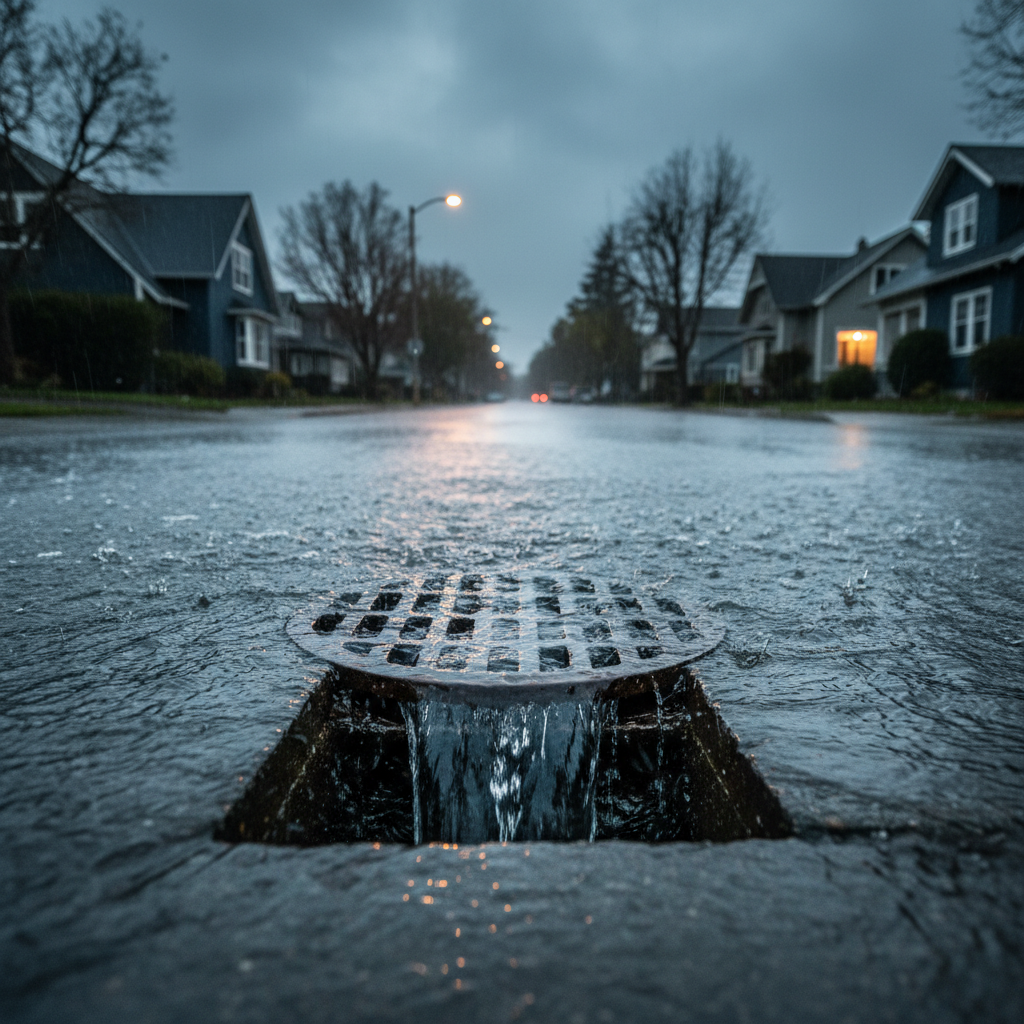
Heavy rains in Santa Rosa and Sonoma County can overwhelm sewer systems, leading to backups into homes. Understanding the causes and taking preventative steps can help mitigate this risk, and professional help is available for assessment and repair.
As September 2026 rolls around and we look ahead to the cooler, wetter months, many homeowners in Santa Rosa and across Sonoma County begin preparing for the rainy season. While we welcome the much-needed precipitation, it can also bring challenges, particularly for your home's plumbing and drainage systems. One of the most disruptive and unsanitary issues is a rainy season sewer backup.
Understanding why these backups occur and what steps you can take to protect your home is crucial. This guide will walk through the common culprits, prevention strategies, and how to respond if you find yourself dealing with a sewer emergency.
Why Rainy Season Sewer Backups Happen in Santa Rosa and Sonoma County
Santa Rosa's climate, with its long dry summers followed by concentrated winter rains, creates specific conditions that can stress both municipal and private sewer lines. When heavy rainfall saturates the ground and increases runoff, several factors can contribute to sewer backups.
1. Inflow and Infiltration (I&I)
This is perhaps the most significant contributor to rainy season sewer backups. Inflow refers to rainwater that directly enters the sewer system through illegal connections, such as downspouts draining into sanitary sewers, or through manhole covers during floods. Infiltration is groundwater that seeps into sewer pipes through cracks, leaky joints, or damaged pipes. Many older homes in neighborhoods like Montgomery Village or Rincon Valley, and even some newer developments, may have aging sewer infrastructure that is more susceptible to I&I. When excessive amounts of rainwater and groundwater enter the sanitary sewer system, it can overwhelm its capacity, causing wastewater to reverse flow and back up into homes.
2. Blockages in Your Private Sewer Lateral
While municipal sewer lines are typically larger, the private sewer lateral – the pipe connecting your home's plumbing to the city main – is often more vulnerable. Tree roots are a common culprit, especially in older Santa Rosa neighborhoods with mature trees. The roots seek out moisture and nutrients, finding their way into tiny cracks or loose joints in your sewer line. During dry spells, these roots grow. When the rainy season arrives, the increased water flow can push debris against these root intrusions, creating a significant blockage that prevents wastewater from flowing out, leading to a backup.
3. Municipal Sewer System Overload
Even if your private lateral is in good shape, an overwhelmed public sewer system can still lead to problems. During exceptionally heavy or prolonged rain events, the sheer volume of water entering the system can exceed its design capacity. This can cause the main sewer line to pressurize, pushing wastewater back up into connected laterals and, ultimately, into homes. This is less common but can occur in areas with undersized or aging public infrastructure.
4. Cracked or Collapsed Sewer Lines
Older sewer pipes, especially those made of clay or cast iron, can deteriorate over time. Ground movement, soil erosion, or even nearby construction can cause cracks or sections of the pipe to collapse. When heavy rains soften the soil, it can exacerbate these existing weaknesses. A compromised pipe won't drain efficiently and can easily become blocked, leading to a backup. If you suspect a serious issue with your main sewer line, professional help might involve Sewer Line Repair or even Trenchless Sewer Repair options.
Signs of an Impending Sewer Backup
Being aware of these warning signs can help you act before a full-blown backup occurs:
- Gurgling toilets or drains: Air trapped in the sewer line can cause gurgling sounds, particularly when other fixtures are used.
- Slow drains: Water draining slowly from multiple sinks, tubs, or showers, especially on lower levels, can indicate a blockage.
- Odors: A foul, sewage-like smell coming from drains, even when they appear clear, suggests wastewater is not flowing properly.
- Water backing up in unexpected places: Flushing a toilet and seeing water rise in your shower or bathtub, or running your washing machine and seeing water come up through a floor drain, are clear indicators of a shared line blockage.
Prevention Strategies for Santa Rosa Homeowners
Taking proactive steps can significantly reduce your risk of a rainy season sewer backup.
1. Get Your Sewer Lateral Inspected and Cleaned
Regular inspections, especially if your home is older or you have mature trees on your property, can identify potential issues before they become emergencies. A professional plumber can perform a camera inspection to check for roots, cracks, or blockages in your private sewer lateral. If issues are found, they can often be addressed with Drain Cleaning or hydro-jetting.
2. Be Mindful of What Goes Down Your Drains
Even the best sewer system can't handle everything. Avoid flushing non-biodegradable items like wet wipes, paper towels, and feminine hygiene products. Grease and food scraps should also never go down the drain, as they can solidify and contribute to blockages.
3. Disconnect Downspouts from Sanitary Sewers
If your downspouts are currently connected to your sanitary sewer system, disconnecting them and redirecting the runoff to your yard or a rain barrel can greatly reduce the amount of rainwater entering the sewer. This simple step helps both your private line and the municipal system.
4. Install a Backwater Valve
A backwater valve is a device installed in your sewer line that allows wastewater to flow out but prevents it from flowing back in. This can be a significant investment but offers excellent protection against municipal sewer overloads. It's particularly useful in homes located in low-lying areas or those with a history of backups.
5. Maintain Your Landscape
Consider the types of trees you plant near your sewer lines. Some species have more aggressive root systems than others. If you have large trees, periodic root removal by a professional can be part of your preventative maintenance.
What to Do If You Have a Sewer Backup
If you experience a rainy season sewer backup, it's important to act quickly and cautiously:
- Stop Water Use: Immediately stop using all water in your home – no flushing toilets, running faucets, or using dishwashers or washing machines.
- Avoid Contact: Do not come into contact with the wastewater. It can contain harmful bacteria and pathogens.
- Identify the Source (if safe): Try to determine if the backup is isolated to one fixture (like a toilet) or affecting multiple drains. Multiple affected drains usually indicate a main sewer line issue.
- Call for Professional Help: A sewer backup is often considered an Emergency Plumbing situation. You'll need a qualified plumber to diagnose the problem and perform the necessary repairs safely and effectively.
When to Call a Professional
Any sign of a sewer backup, especially during the rainy season, warrants professional attention. Plumbers have the specialized equipment, such as camera inspection tools and hydro-jetters, to accurately pinpoint the cause of the backup and clear it effectively. They can also advise on long-term solutions, like pipe repair or the installation of a backwater valve, to prevent future occurrences.
Living in Santa Rosa means enjoying our beautiful natural environment, but it also means being prepared for its seasons. By understanding the risks of rainy season sewer backups and taking preventative measures, you can help protect your home and avoid costly, unpleasant emergencies.
If you're concerned about your sewer lines or are experiencing any signs of a backup, don't wait for the problem to escalate. You can request to be connected with an independent local plumbing provider in Santa Rosa or the wider Sonoma County area by calling (707) 361-9499 or by submitting a request through our website.
Frequently asked questions
What causes sewer backups during the rainy season in Santa Rosa?
Rainy season sewer backups are often caused by rainwater overwhelming the sewer system through cracks or improper connections (inflow and infiltration), tree roots blocking private sewer laterals, or an overloaded municipal sewer main. Aging pipes are more susceptible to these issues.
How can I prevent rainy season sewer backups in my Santa Rosa home?
Prevention includes regular sewer lateral inspections and cleaning, avoiding flushing non-biodegradable items, disconnecting downspouts from sanitary sewers, and considering the installation of a backwater valve. Being mindful of tree roots near your lines is also important.
What are the warning signs of an impending sewer backup?
Key warning signs include gurgling sounds from toilets or drains, multiple slow-draining fixtures, foul sewage odors, and water backing up into unexpected fixtures like showers or bathtubs when another fixture is used.
What should I do if I experience a sewer backup?
If you have a sewer backup, immediately stop using all water in your home, avoid contact with the wastewater, and promptly call for professional plumbing assistance. A plumber can diagnose the issue and address it safely and effectively.
Can my homeowner's insurance cover sewer backup damage?
Standard homeowner's insurance policies typically do not cover sewer backups unless you have purchased an additional 'sewer backup' or 'water backup and sump pump overflow' endorsement. It's advisable to check your policy or speak with your insurance provider to understand your coverage.
Editorial Team
The Plumbers Santa Rosa editorial team writes practical, locally focused plumbing guides for homeowners and property managers across Sonoma County.
Need a Plumber in Santa Rosa?
Skip the search. Call or request help to get connected with a local plumbing provider.