Preventing Kitchen Drain Clogs in Santa Rosa, CA (August 2026)
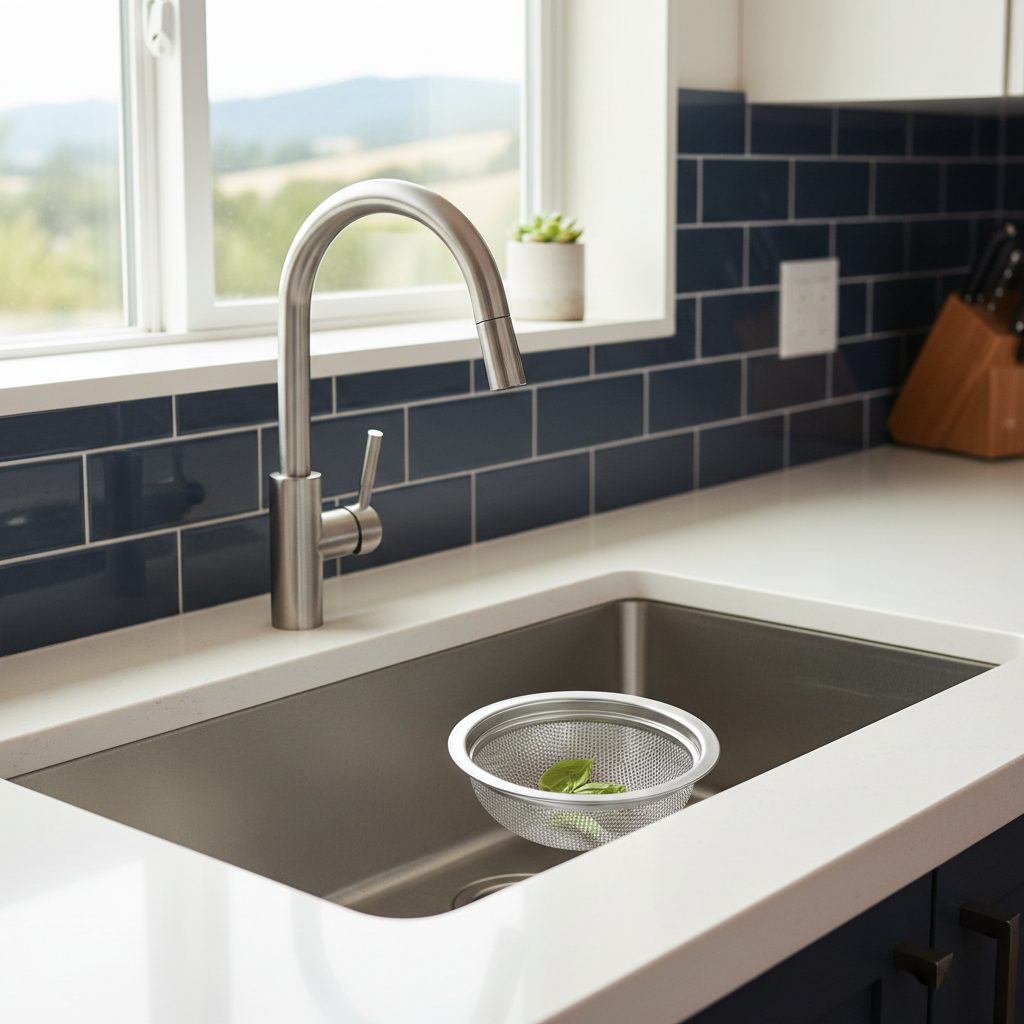
Preventing kitchen drain clogs primarily involves mindful disposal of food waste, grease, and other debris, combined with routine maintenance like flushing with hot water and baking soda.
In Santa Rosa and across Sonoma County, from the bustling kitchens of Railroad Square to the quiet homes in Larkfield-Wikiup, kitchen drains work hard. They handle everything from dishwater to food scraps, and over time, this can lead to frustrating and often messy clogs. As we move through August 2026, understanding how to prevent clogged drains in the kitchen is key to maintaining a smooth-running home and avoiding unexpected plumbing issues.
A clogged kitchen sink isn't just an inconvenience; it can disrupt daily routines, create unpleasant odors, and even lead to more significant plumbing problems if left unaddressed. While some clogs might seem sudden, most build up over time due to common habits. Fortunately, many preventative measures are straightforward and can save you a lot of hassle and expense down the line.
The Culprits Behind Kitchen Drain Clogs
Before we dive into prevention, it's helpful to understand what commonly causes these blockages. Your kitchen drain is designed to handle water and small, biodegradable particles. However, certain substances are notorious for causing trouble:
- Grease, Fat, and Oil (GFO): This is perhaps the biggest offender. When hot, GFO is liquid, but as it cools in your pipes, it solidifies and clings to pipe walls, narrowing the passage. Over time, it traps other debris, forming a stubborn blockage. Think about cooking bacon or draining pasta – that oily residue adds up.
- Food Scraps: Even with a garbage disposal, larger or stringy food items can cause issues. Coffee grounds, eggshells, fruit and vegetable peels (especially fibrous ones like potato skins or celery), rice, and pasta can expand with water and create dense blockages.
- Soap Scum: While not as common in kitchens as in bathrooms, soap scum can contribute, especially if you use bar soap for handwashing at the kitchen sink. It combines with other debris to form a sticky film.
- Foreign Objects: Occasionally, small items like twist ties, bottle caps, or even small toys can accidentally fall into the drain, forming a base around which other debris collects.
Effective Strategies: How to Prevent Clogged Drains in the Kitchen
Preventing kitchen drain clogs is mostly about being mindful of what goes down the sink. Here are practical steps you can take:
1. The Golden Rule: No Grease Down the Drain!
This is the single most important preventative measure. After cooking, let grease, fat, and oil cool and solidify in the pan. Scrape it into a disposable container (like an old coffee can or milk carton) and dispose of it in the trash. For smaller amounts, wipe greasy pans with a paper towel before washing. This simple habit can drastically reduce the likelihood of clogs.
2. Scrape Plates Thoroughly
Before washing dishes or putting them in the dishwasher, scrape all food scraps into the trash or compost bin. Don't rely solely on your garbage disposal. While disposals are helpful, they are not designed to handle large quantities of food waste, nor are they a substitute for a trash can.
3. Use a Drain Strainer
A simple, inexpensive drain strainer is your first line of defense. These catch food particles, coffee grounds, and other debris before they enter your plumbing system. Make it a habit to empty the strainer into the trash after each use.
4. Be Smart with Your Garbage Disposal
If you have a garbage disposal, use it correctly:
- Use Cold Water: Always run cold water before, during, and for about 30 seconds after using the disposal. Cold water helps solidify any grease so it can be ground up and flushed away, rather than coating the pipes.
- Small Batches: Feed food waste into the disposal slowly and in small amounts.
- Avoid Problem Foods: Steer clear of fibrous foods (celery, corn husks, artichokes), starchy foods (potato peels, pasta, rice), coffee grounds, eggshells, fruit pits, and bones. These can dull the blades, jam the motor, or create sludge.
5. Regular Flushing and Maintenance
Even with careful disposal, some residue will accumulate. Regular maintenance can help keep things clear:
- Hot Water Flush: Once a week, run the hottest tap water down your kitchen drain for 5-10 minutes. This can help melt minor grease buildup and flush away small particles.
- Baking Soda and Vinegar: For a natural drain cleaner, pour half a cup of baking soda down the drain, followed by half a cup of white vinegar. Let it sit for 20-30 minutes (it will fizz!), then flush with hot water. This can help break down minor clogs and refresh the drain.
- Avoid Chemical Drain Cleaners: While tempting, these harsh chemicals can be corrosive to your pipes, especially older ones common in parts of Santa Rosa like the historic St. Rose neighborhood, and are often ineffective against tough clogs. If you suspect a significant blockage, it's best to call a professional.
When Prevention Isn't Enough
Despite your best efforts, sometimes a clog still happens. Maybe a particularly greasy meal overwhelmed your system, or perhaps tree roots have infiltrated an older pipe outside your home – a common concern in established neighborhoods throughout Windsor and Sebastopol. When you encounter a stubborn or recurring clog, it's a sign that professional intervention is needed.
An experienced local plumbing provider can accurately diagnose the issue. They might use specialized tools like augers or hydro-jetting to clear severe blockages effectively and safely, without damaging your pipes. They can also identify underlying issues, such as a compromised sewer line, which might manifest as frequent kitchen sink clogs. For persistent problems, consider reaching out for professional Drain Cleaning services.
Signs You Might Need Professional Help:
- Slow Draining: Water drains slowly even after attempting home remedies.
- Gurgling Sounds: Your drain makes gurgling noises, especially after using other water fixtures.
- Foul Odors: Persistent unpleasant smells coming from the drain, indicating decomposing food or sewage.
- Water Backing Up: Water backs up into your sink or other fixtures when you use the kitchen sink.
These symptoms, especially if they are recurring, indicate a problem beyond a simple surface clog. It's often more cost-effective to address these issues promptly rather than waiting for them to escalate into an emergency. If you're experiencing a complete blockage that's affecting your home, an independent local plumbing provider can also help with Emergency Plumbing needs.
Keeping Your Sonoma County Kitchen Flowing
By adopting these preventative habits, you can significantly reduce the chances of experiencing a clogged kitchen drain in your Santa Rosa or Sonoma County home. A little vigilance goes a long way in protecting your plumbing system and ensuring your kitchen remains a functional and pleasant space. Remember, regular care not only prevents immediate problems but also contributes to the longevity and health of your entire home's plumbing infrastructure.
If you find yourself facing a stubborn clog or have concerns about your kitchen's drainage, don't hesitate to seek expert help. An independent local plumbing provider can offer the specialized tools and knowledge needed to get your drains flowing freely again.
Need assistance with a kitchen drain issue? You can call us at (707) 361-9499 or request help via our website to be connected with an independent local plumbing provider who serves Santa Rosa and the surrounding Sonoma County area.
Frequently asked questions
What is the most common cause of kitchen drain clogs?
The most common cause of kitchen drain clogs is the accumulation of grease, fat, and oil (GFO) that solidifies in pipes, combined with food particles like coffee grounds, eggshells, and starchy foods. These substances build up over time, narrowing the pipe and eventually leading to a blockage.
Are chemical drain cleaners safe to use for kitchen clogs?
While chemical drain cleaners are readily available, they are generally not recommended. They can be very harsh and corrosive, potentially damaging your pipes, especially older ones. For tough clogs, it's often more effective and safer to use natural remedies or consult with an independent local plumbing provider.
How often should I perform maintenance on my kitchen drain?
It's a good practice to perform weekly maintenance, such as flushing with hot water or using a baking soda and vinegar solution. Beyond that, consistently scraping plates into the trash and avoiding pouring grease down the drain are daily habits that significantly prevent clogs from forming.
Can my garbage disposal prevent all kitchen drain clogs?
No, a garbage disposal is a helpful tool but not a foolproof solution for preventing all clogs. It's designed to handle small, soft food scraps, not large quantities, fibrous materials, or grease. Overloading it or putting inappropriate items down can still lead to clogs or damage the disposal itself.
Editorial Team
The Plumbers Santa Rosa editorial team writes practical, locally focused plumbing guides for homeowners and property managers across Sonoma County.
Need a Plumber in Santa Rosa?
Skip the search. Call or request help to get connected with a local plumbing provider.