How Long Does a Water Heater Last in Santa Rosa? (August 2026)
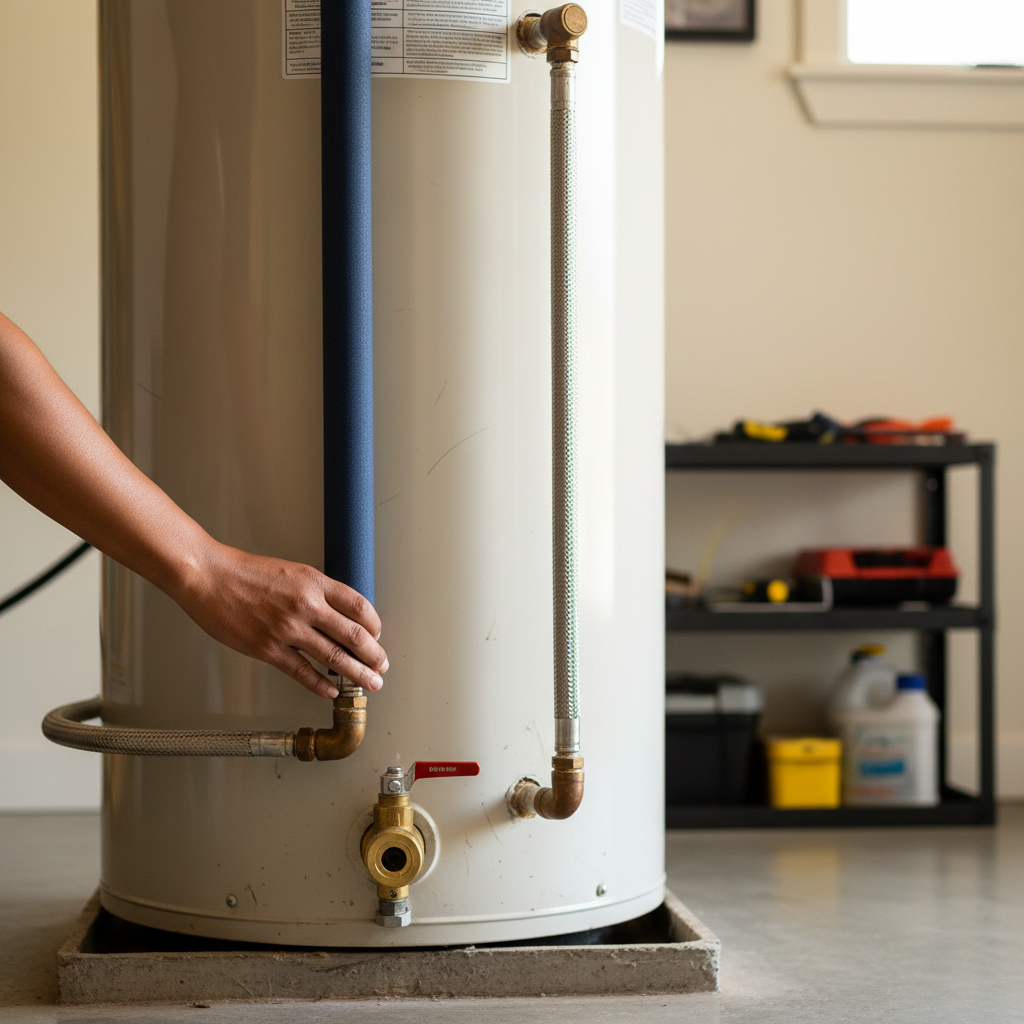
A traditional tank water heater typically lasts between 8 to 12 years, while tankless models can last 20 years or more with proper maintenance. Various factors like water quality, usage, and maintenance habits significantly influence these lifespans.
How Long Does a Water Heater Last in Santa Rosa, CA? Insights for August 2026
As August 2026 continues, many Santa Rosa and Sonoma County homeowners find themselves considering the reliability of their home's essential systems. Among these, the water heater often goes unnoticed until it stops working as it should. A common question we hear is, "How long does a water heater last?" It's a vital question, as understanding the expected lifespan of your water heater can help you plan for maintenance, anticipate replacement, and avoid unexpected cold showers.
The truth is, there isn't a single, definitive answer to how long a water heater lasts. Several factors play a role, from the type of water heater you have to how well it's been maintained over the years. In this guide, we'll break down the typical lifespans for different water heater types, discuss the factors that influence their longevity, and provide tips for extending your unit's life here in our Sonoma County climate.
Understanding Water Heater Lifespans by Type
The type of water heater you have is the primary determinant of its expected lifespan. Most homes in Santa Rosa and the surrounding areas like Windsor, Rohnert Park, or Sebastopol will have either a traditional tank-style unit or a more modern tankless system.
Traditional Tank Water Heaters
Conventional tank water heaters are the most common type. They store and heat a large volume of water, keeping it ready for use. On average, a well-maintained traditional tank water heater can last anywhere from 8 to 12 years. Some might push to 15 years, but this is less common and often comes with increased risk of failure.
Factors specific to tank heaters that affect this range include:
- Tank Material and Lining: Higher quality tanks with better glass linings tend to resist corrosion longer.
- Anode Rod Maintenance: The sacrificial anode rod is crucial for preventing tank corrosion. Regular inspection and replacement (every 3-5 years) can significantly extend tank life.
- Sediment Buildup: Hard water, common in parts of Sonoma County, can lead to sediment accumulation at the bottom of the tank, reducing efficiency and accelerating wear. Flushing the tank annually helps mitigate this.
Tankless Water Heaters
Tankless water heaters, also known as on-demand water heaters, heat water directly as it flows through the unit, eliminating the need for a storage tank. These systems generally have a much longer lifespan than their tank-style counterparts, often lasting 20 years or even more with proper care.
Their longer life is partly due to the absence of a large tank that is susceptible to corrosion and sediment buildup. However, their sophisticated internal components require specific maintenance, such as regular flushing to remove mineral deposits, particularly in areas with hard water.
Learn more about the benefits and considerations of these advanced systems on our dedicated page: Tankless Water Heater.
Factors Influencing Your Water Heater's Longevity in Sonoma County
Beyond the type of water heater, several other factors contribute to how long your unit will reliably serve your Santa Rosa home. Understanding these can help you proactive steps.
Water Quality
Santa Rosa and Sonoma County's water sources, while safe, can sometimes contain varying levels of minerals. Hard water, rich in calcium and magnesium, is a significant culprit in reducing water heater lifespan. These minerals can precipitate out of the water when heated, forming scale and sediment inside the tank (for tank-style units) or on the heat exchanger (for tankless units).
- Sediment Buildup (Tank Heaters): Sediment acts as an insulator, making your water heater work harder and less efficiently. It can also corrode the tank lining from the inside out. Regular flushing helps remove this buildup.
- Scale Buildup (Tankless Heaters): Scale can clog the narrow pathways in a tankless heat exchanger, reducing flow and heating efficiency. Annual descaling (flushing with a vinegar solution) is essential for tankless units in hard water areas.
Usage Habits
The more demand you place on your water heater, the faster its components may wear out. A large family taking multiple long, hot showers daily will naturally put more stress on a unit than a single individual with moderate hot water needs. High usage means more heating cycles, which can accelerate wear and tear on heating elements, thermostats, and other parts.
Installation Quality
Proper installation is paramount. A poorly installed water heater might experience issues from day one that shorten its life. This includes incorrect venting, improper sizing, or faulty plumbing connections. Using a qualified, experienced plumber for installation ensures your unit starts its life on the right foot.
Regular Maintenance
This is perhaps the most critical factor within your control. Just like your car needs oil changes, your water heater needs regular check-ups. Neglecting maintenance is the fastest way to shorten your water heater's life and invite unexpected breakdowns.
Key maintenance tasks include:
- Annual Flushing: For tank-style heaters, flushing the tank helps remove corrosive sediment. For tankless heaters, a professional descaling flush is necessary.
- Anode Rod Inspection/Replacement: The sacrificial anode rod in tank water heaters slowly corrodes to protect the tank. It needs to be inspected every 3-5 years and replaced when significantly depleted.
- Temperature and Pressure Relief (T&P) Valve Testing: This safety valve should be tested annually to ensure it's not stuck, preventing dangerous pressure buildup.
- Visual Inspections: Regularly check for leaks around the base, connections, or relief valve. Even a small leak can indicate a more significant problem developing. If you spot any signs of leaking, it's wise to investigate quickly; our Leak Detection services can pinpoint the source.
Signs Your Water Heater is Nearing the End of its Life
Even with the best maintenance, all water heaters eventually give out. Here are some common indicators that your unit might be approaching the need for Water Heater Replacement:
- Age: If your tank water heater is over 10-12 years old, or your tankless unit is past 20 years, it's worth planning for replacement.
- Lack of Hot Water: Inconsistent or insufficient hot water is a clear sign something is wrong. This could be a failing heating element, a faulty thermostat, or excessive sediment.
- Rust-Colored Water: If you notice rusty water coming from your hot water tap, it's a strong indication that the inside of your tank is corroding. This often means tank failure is imminent.
- Leaking: Puddles around the base of your water heater are a serious concern. While some leaks can be repaired (e.g., from a loose connection), a leak from the tank itself usually means replacement is necessary.
- Strange Noises: Popping, rumbling, or banging noises from your tank can indicate significant sediment buildup, which causes the heating elements to overheat and stress the tank.
- Frequent Repairs: If you're calling for Water Heater Repair more than once a year, the cost of continued repairs might outweigh the benefit of a new, more efficient unit.
Extending the Life of Your Water Heater
While you can't make a water heater last forever, these practices can certainly help maximize its lifespan:
- Schedule Annual Professional Maintenance: This is the single most important step. A professional can perform thorough flushes, inspect the anode rod, test safety valves, and catch small issues before they become major problems. This is especially true for tankless units which benefit greatly from annual descaling.
- Install a Water Softener: If you live in an area with particularly hard water in Sonoma County, a whole-house water softener can significantly reduce mineral buildup in your water heater and other appliances.
- Set the Temperature Appropriately: While tempting to crank it up, setting your water heater to a very high temperature (above 120-125°F) can accelerate wear and scale formation. It also increases standby heat loss.
- Insulate Older Tanks and Hot Water Pipes: This reduces heat loss, making your water heater work less often and saving energy. It's an easy DIY project for many homeowners.
When It's Time for a New Water Heater
Deciding when to replace your water heater rather than repair it often comes down to age, the severity of the issue, and repair costs. If your water heater is old, frequently needs repairs, or is leaking from the tank itself, replacement is usually the most cost-effective and reliable solution in the long run.
Newer water heaters, both tank and tankless, are also significantly more energy-efficient than models from a decade ago. Investing in a new unit can lead to noticeable savings on your utility bills, helping to offset the initial cost over time.
Need Help with Your Water Heater in Santa Rosa?
Whether you're looking to extend the life of your current unit, considering a repair, or think it's time for a full replacement, understanding how long a water heater lasts is key to making informed decisions. Here in Santa Rosa and across Sonoma County, from Cotati to Healdsburg, homeowners can face varied water conditions and usage demands that impact their plumbing systems.
If you have concerns about your water heater's performance, or if you're ready to explore options for repair or replacement, we can connect you with an independent local plumbing provider. Simply call us at (707) 361-9499 or request help via our website, and we'll help you get in touch with experienced professionals who can assess your situation and provide reliable solutions.
Frequently asked questions
What is the average lifespan of a traditional tank water heater?
A traditional tank-style water heater typically lasts between 8 to 12 years. This can vary based on factors like water quality, usage, and the consistency of maintenance, such as flushing the tank and inspecting the anode rod.
How long do tankless water heaters typically last?
Tankless water heaters generally have a longer lifespan, often lasting 20 years or more. Their longevity is due to the absence of a storage tank susceptible to corrosion, but proper annual descaling and maintenance are crucial, especially in areas with hard water.
What are the key signs my water heater needs to be replaced?
Key signs include the unit's age (over 10-12 years for tank models), frequent need for repairs, rust-colored hot water, persistent leaks from the tank itself, or strange rumbling noises. These often indicate internal corrosion or significant component failure.
Does Santa Rosa's water quality affect water heater lifespan?
Yes, Santa Rosa's water, like much of Sonoma County, can have varying mineral content. Hard water can lead to sediment buildup in tank heaters and scale formation in tankless heaters, reducing efficiency and shortening their lifespan if not regularly maintained through flushing or descaling.
What maintenance can extend my water heater's life?
Regular maintenance, such as annual flushing of tank water heaters to remove sediment, inspecting and replacing the anode rod every 3-5 years, and annual descaling for tankless units, can significantly extend your water heater's life. Professional maintenance ensures these tasks are done correctly.
Editorial Team
The Plumbers Santa Rosa editorial team writes practical, locally focused plumbing guides for homeowners and property managers across Sonoma County.
Need a Plumber in Santa Rosa?
Skip the search. Call or request help to get connected with a local plumbing provider.