Gas Line Leak Warning Signs in Santa Rosa Homes (July 2026)
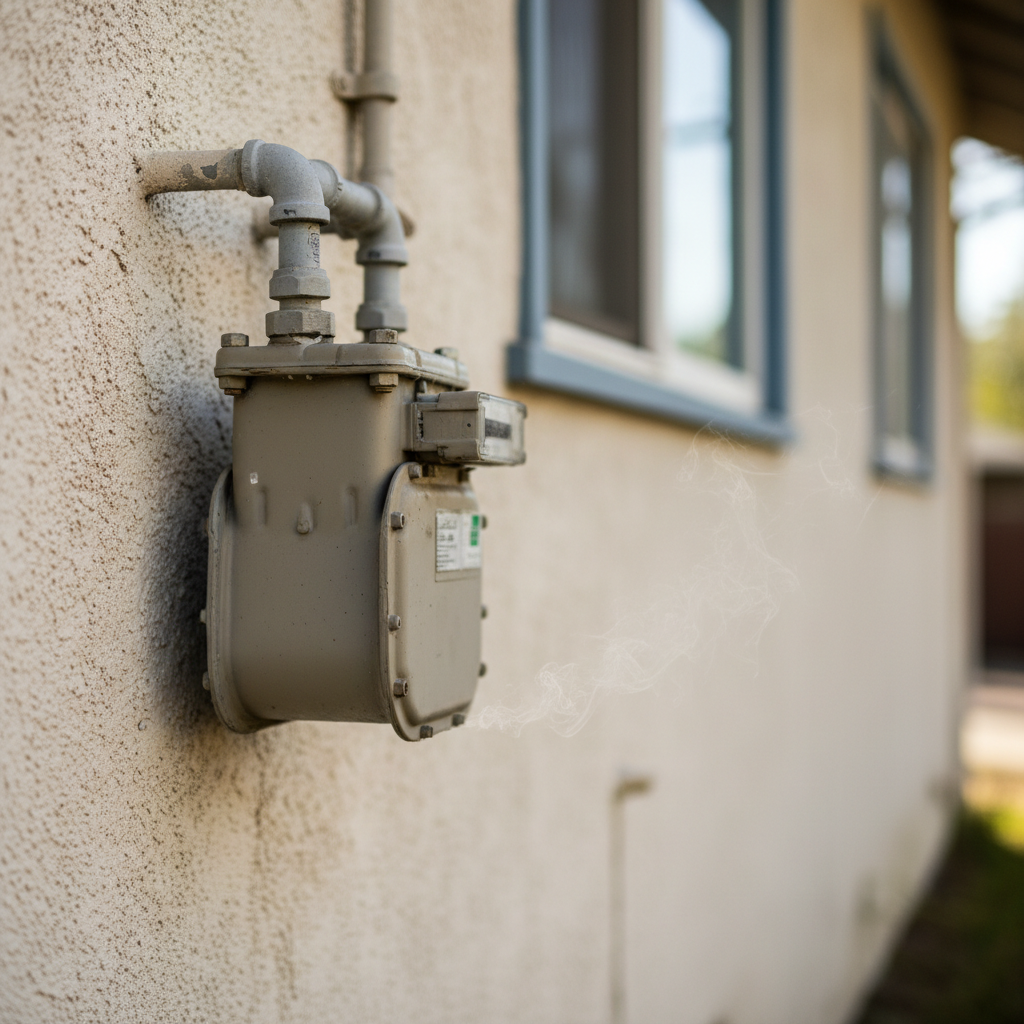
Gas line leaks can be extremely dangerous. Homeowners should be aware of distinct smells, sounds, and visual cues that indicate a potential leak, and know the immediate steps to take for safety.
Gas Line Leak Warning Signs in Santa Rosa Homes (July 2026)
For homeowners in Santa Rosa and across Sonoma County, knowing the potential dangers of a gas line leak is crucial. Natural gas is a convenient and efficient energy source for heating, cooking, and water heating, but a leak can pose serious safety risks, including fire, explosion, and carbon monoxide poisoning. In July 2026, understanding the warning signs is your first line of defense in protecting your family and property. If you suspect a gas leak, immediate action is necessary.
Why Gas Leaks are a Concern for Santa Rosa Homeowners
Santa Rosa's older neighborhoods, like those around Montgomery Village or Railroad Square, might have homes with gas lines that have seen decades of use. Over time, pipes can corrode, joints can weaken, or fittings can become loose due to seismic activity, ground shifts, or even just regular wear and tear. Even in newer developments in areas like Fountaingrove or Larkfield-Wikiup, accidental damage during construction or landscaping can occur, leading to a compromised gas line.
The Dangers of Natural Gas
Natural gas itself is odorless. For safety, utility companies add a distinct odorant called mercaptan, which smells like rotten eggs or sulfur. This strong smell is a deliberate warning signal. Beyond the unpleasant odor, the primary dangers of a gas leak include:
- Fire and Explosion: Natural gas is highly flammable. A spark from a light switch, appliance, or even static electricity can ignite an accumulated gas cloud, leading to a devastating fire or explosion.
- Carbon Monoxide Poisoning: While natural gas itself isn't carbon monoxide, an improperly burning gas appliance can produce carbon monoxide. A gas leak can also reduce oxygen levels in a confined space, leading to incomplete combustion and carbon monoxide production. This odorless, colorless gas is highly toxic and can be fatal.
- Health Issues: Even without combustion, prolonged exposure to natural gas can cause headaches, dizziness, nausea, and fatigue due to oxygen displacement.
Recognizing the early warning signs can make all the difference in preventing a serious incident. Your awareness and quick response are key.
Recognizing Gas Line Leak Warning Signs
Being vigilant about the state of your home's gas lines is a critical part of home maintenance. Here are the primary gas line leak warning signs to look out for:
1. The Distinct Smell of Sulfur or Rotten Eggs
This is often the most obvious and reliable indicator of a gas leak. If you detect this smell indoors, or even outdoors near your home, it's essential to take it seriously. The odor is added specifically to alert you to danger. Don't try to find the source yourself; prioritize safety.
2. Hissing or Whistling Sounds Near Gas Lines or Appliances
Sometimes, a significant gas leak can be audible. If you hear an unexplained hissing, whistling, or roaring sound coming from a gas pipe, a gas appliance (like your water heater in the garage or your furnace in the attic), or even near your gas meter, it could indicate gas escaping under pressure. This is a clear sign that you need immediate professional help.
3. Visual Indicators Around Your Home
While less common, certain visual cues can also point to a gas leak, especially if the leak is underground:
- Dying or Discolored Vegetation: If you notice patches of grass, plants, or shrubs dying or turning brown without an apparent reason, particularly near your gas line's path, it could be due to gas leaking into the soil and depriving plant roots of oxygen. This is more common in areas like the front yard where the main line might run.
- Dust or Debris Blowing: If dust, dirt, or debris is blowing unusually near a gas connection or from the ground, it could be caused by escaping gas disturbing the soil or air.
- Bubbles in Puddles or Wet Areas: If you see a continuous stream of bubbles rising through standing water in your yard, it could indicate an underground gas leak.
4. Physical Symptoms
If you or members of your household start experiencing unexplained physical symptoms, especially when indoors, it could be related to a gas leak or carbon monoxide from an improperly burning gas appliance. These symptoms might include:
- Dizziness or lightheadedness
- Headaches
- Nausea or vomiting
- Fatigue or drowsiness
- Shortness of breath
- Irritation of the eyes or throat
If multiple people experience these symptoms simultaneously, and they improve when you go outdoors, it's a strong indicator of an indoor air quality issue, potentially a gas leak or carbon monoxide. It's wise to have working carbon monoxide detectors in your Santa Rosa home, particularly near sleeping areas and gas appliances.
What to Do If You Suspect a Gas Line Leak
Your immediate response to a suspected gas line leak is critical. Here's a step-by-step guide:
- Evacuate Immediately: Get everyone out of the house, including pets. Do not stop to gather belongings. If you are in an apartment complex in Santa Rosa, alert your neighbors as you exit.
- Do NOT Use Electronics or Appliances: Do not turn lights on or off, use cell phones inside, operate garage door openers, or start vehicles if parked in an attached garage. A tiny spark could ignite the gas.
- Do NOT Try to Find the Leak: Do not attempt to locate the source of the leak or try to patch it yourself. Leave this to professionals.
- Do NOT Open Windows or Doors: While it may seem logical, opening windows and doors can sometimes spread the gas or create air currents that could exacerbate the situation. Your priority is to evacuate.
- Call for Help from a Safe Location: Once you are a safe distance away from the building, call your gas utility company's emergency line and then call 911. They will dispatch emergency services and a qualified technician to assess the situation.
After the immediate danger is handled, a professional will need to perform Gas Line Repair to address the fault. This is not a DIY job due to the inherent risks involved.
Preventing Gas Line Leaks
While not all leaks can be prevented, you can take steps to reduce the risk:
- Regular Appliance Maintenance: Have your gas appliances (furnace, water heater, stove, dryer) inspected and serviced regularly by a qualified technician. This helps ensure they are operating efficiently and safely. For issues with your water heater, consider our page on Water Heater Repair.
- Install Carbon Monoxide Detectors: Place CO detectors on every level of your home, especially near sleeping areas and attached garages. Test them regularly.
- Be Careful with DIY Projects: If you're digging in your yard or doing any home improvement that involves walls or floors, be aware of where gas lines might be located. Always call 811 before you dig to have underground utilities marked.
- Address Issues Promptly: If you notice any minor issues with gas appliances, such as pilot lights going out frequently or unusual smells during operation, have them checked promptly. What seems like a small issue could indicate a larger problem developing.
For homeowners in Santa Rosa, Windsor, Rohnert Park, or Sebastopol, understanding these gas line leak warning signs and knowing how to respond is a crucial aspect of home safety. Don't delay if you suspect a problem.
If you're concerned about a gas line issue or need professional assistance, don't hesitate. Your safety is paramount. You can reach out to connect with an independent local plumbing provider who can assess your situation.
Frequently asked questions
What should I do immediately if I smell gas in my Santa Rosa home?
If you smell gas, evacuate everyone from the house immediately, including pets. Do not turn lights on or off, use cell phones inside, or do anything that could create a spark. Once you are safely away from the building, call your gas utility company's emergency line and then 911.
Can I try to fix a gas leak myself?
No, you should never attempt to fix a gas leak yourself. Gas line repairs are dangerous and require specialized knowledge and tools. Always leave gas leak detection and repair to qualified professionals.
Are gas leaks always accompanied by the smell of rotten eggs?
Natural gas is naturally odorless. However, utility companies add a powerful odorant called mercaptan, which smells like rotten eggs or sulfur, specifically to make gas leaks detectable. So, if you smell this odor, it's a strong indicator of a gas leak.
What are some other signs of a gas leak besides smell?
Beyond the distinct smell, listen for hissing or whistling sounds near gas lines, look for dying plants or patches of dead grass near outdoor gas lines, or observe unexplained bubbles in puddles. Physical symptoms like dizziness or nausea experienced indoors can also be a sign of a gas leak or carbon monoxide poisoning.
How can I prevent gas leaks in my Santa Rosa home?
While not all leaks are preventable, you can reduce risk by having gas appliances regularly serviced, installing and testing carbon monoxide detectors, being careful when digging or doing home improvements near gas lines, and promptly addressing any minor issues with gas appliances.
Editorial Team
The Plumbers Santa Rosa editorial team writes practical, locally focused plumbing guides for homeowners and property managers across Sonoma County.
Need a Plumber in Santa Rosa?
Skip the search. Call or request help to get connected with a local plumbing provider.